
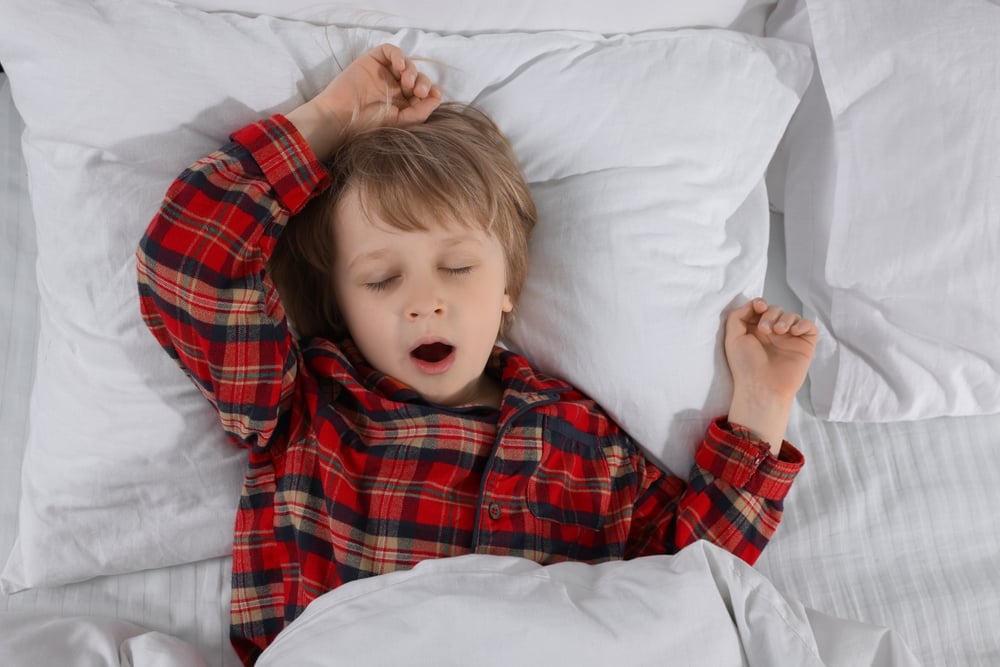
Can sleep-disordered breathing cause ADHD-like symptoms in children? Research increasingly suggests a connection between restricted airways, mouth breathing, poor sleep quality, and behavioral challenges that can mimic attention disorders. With this understanding, more parents are looking into supportive approaches that may help to address breathing issues, including pediatric orofacial myofunctional therapy in Century City.
How Breathing Can Affect Behavior
Improper airway function and its symptoms, such as chronic mouth breathing, may disrupt restful and restorative sleep patterns and reduce oxygen flow to the brain. During sleep, children with airway and breathing issues may wake frequently, struggle with focus during the day, and exhibit hyperactivity or mood swings that resemble neurodivergent traits.
What Is Myofunctional Therapy?
Pediatric orofacial myofunctional therapy retrains the tongue, lips, and facial muscles to support proper nasal breathing and jaw development. This non-invasive approach addresses structural issues that contribute to sleep disturbances and concentration difficulties. Pediatric dentists may recommend orofacial myofunctional therapy as part of a multi-disciplinary approach, involving a collaborative team of pediatric health professionals and therapists.
Benefits for Neurodivergent Growth
By encouraging and training optimal airway function and breathing, myofunctional therapy can help to enhance sleep quality, sharpen daytime focus, and reduce behavioral symptoms of unrestful sleep. Many parents report noticeable improvements in their child’s attention span and emotional regulation after consistent therapy.
Benefits for Neurodivergent Growth
[H2] Supporting Whole-Child Development
Addressing oral function and breathing patterns is one piece of a broader care strategy. Combining pediatric orofacial myofunctional therapy with medical and dental guidance and behavioral support creates a comprehensive approach to neurodivergent development, helping children thrive both physically and emotionally.