For many children, visiting the dentist can feel intimidating. Unfamiliar sounds and sensations, new surroundings, and fear of the unknown can create anxiety that makes dental appointments stressful for both children and parents.
The good news is that dental anxiety doesn’t have to stand in the way of a healthy smile. A skilled pediatric dentist on the Westside of Los Angeles understands how to create positive experiences that help children feel safe, comfortable, and confident during every visit.
Why Children Experience Dental Anxiety
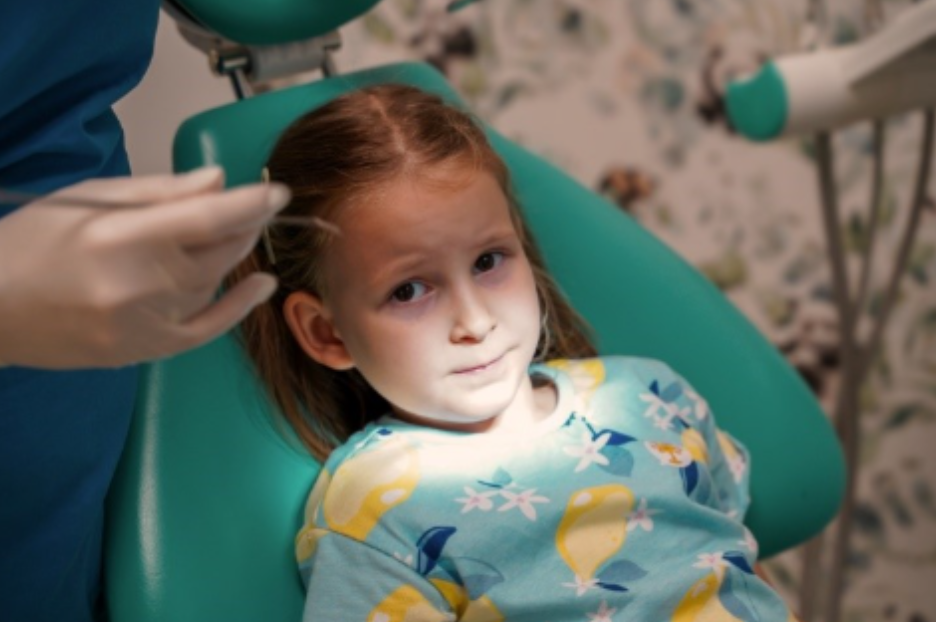
Dental anxiety is common among children of all ages. Some children worry about discomfort, while others simply feel nervous because they do not know what to expect. Previous medical or dental experiences, sensory sensitivities, and unfamiliar environments can also contribute to fear.
Common causes of dental anxiety include:
- Fear of pain or discomfort
- Sensitivity to sounds, lights, sensations or new surroundings
- Difficulty with unfamiliar experiences
- Concerns about dental procedures
- Previous stressful healthcare experiences
Understanding the source of a child’s anxiety is often the first step toward helping them feel more comfortable.
Signs Your Child May Be Nervous About the Dentist
Children express anxiety in different ways. Some openly communicate their fears, while others may become withdrawn or resistant before appointments. Also, it is important to keep in mind that some children may not be able to verbalize what they are feeling.
Signs of dental anxiety may include:
- Crying before appointments
- Difficulty sleeping the night before a visit
- Complaints of stomach aches or headaches
- Refusing to sit in the dental chair
- Increased nervousness when discussing dental care
Recognizing these signs early can help parents find a dentist for anxious children in Los Angeles who understands how to provide the support that anxious children need.
How a Pediatric Dentist Helps Anxious Children Feel Comfortable
Pediatric dentists receive specialized training to work with children and create positive dental experiences. Every aspect of care is designed to help children feel supported and at ease.
Common approaches include:
- Gentle, age-appropriate communication
- Positive reinforcement and encouragement
- Explaining and demonstrating procedures in simple terms
- Allowing extra time to build trust
- Parent involvement when appropriate
By helping children understand what to expect and creating a welcoming environment, pediatric dentists can replace fear with confidence over time.
Preventing Dental Problems Before They Become Serious
Routine dental visits do more than keep teeth clean. They also help identify and address concerns before they become larger problems.
A pediatric dentist can monitor for the following:
- Early tooth decay
- Bite and jaw development concerns
- Enamel defects
- Oral habits such as thumb sucking
- Overall oral health development
Choosing the Right Pediatric Dentist on the Westside of Los Angeles
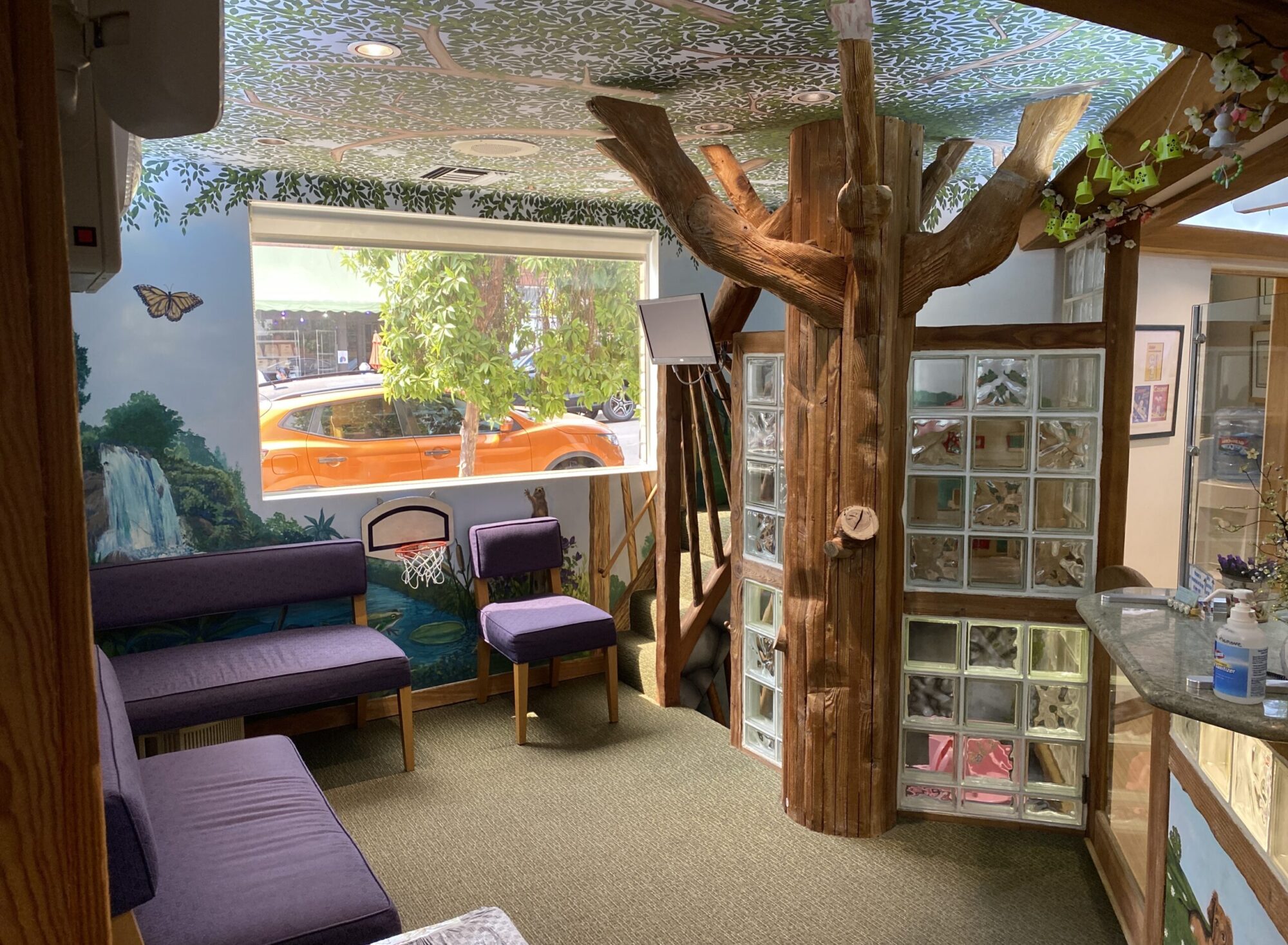
Finding the right pediatric dentist is about more than treating teeth. Parents want a provider who understands children’s unique needs, takes time to build trust, and creates positive experiences that encourage lifelong oral health.
For children who experience anxiety, a compassionate and child-focused approach can make all the difference. When children feel safe and supported, they are more likely to develop confidence in the dental chair and maintain healthy smiles for years to come.
Building Healthy Smiles with Confidence
Dental visits do not have to be stressful. With the support of an experienced pediatric dental team, children can learn to feel comfortable during appointments and develop positive attitudes toward oral health.
If your child feels nervous about dental visits, a compassionate and individualized approach can make all the difference. Dr. Hila Robbins works with families on the Westside of Los Angeles, including Westwood, Century City, and surrounding areas, to help children build confidence and positive associations with dental care, creating healthy smiles that last a lifetime.